
What Makes a Great Dental Insurance Plan?

How To Use Top-Up Health Insurance To Save Costs

How Waiting Periods Affect Health Insurance Claims

Orthodontics Coverage: Braces And Invisalign Insurance Guide
Smart Home Devices That Earn Home Insurance Discounts
If you just upgraded your home tech, you can cut your premium. The key is choosing devices that insurers reward and submitting clean proof.
This guide shows which devices make lower home insurance worth it, how to qualify in 2025, and the fastest way to lock a smart home insurance discount without risking coverage.
What Insurers Usually Discount
Most carriers give credits for protective devices that reduce fire, theft, or water losses. Typical examples include monitored alarms, smoke detection, and leak sensors with automatic shut-off. The Insurance Information Institute notes that many companies offer discounts on smoke detectors, burglar alarms, and centrally monitored systems, while providing higher credits for sprinklers or professionally monitored setups.
Which Smart Home Devices Save Money On Insurance?
Smoke and CO detectors are protective devices that reduce severe fire losses, so install them on every level and near bedrooms; NFPA data is why insurers rate them highly. Monitored security systems and video doorbells deter theft and speed police response—use an up-to-date buying guide to pick gear and skip long contracts. Water-leak sensors with auto shutoff valves tackle the most common non-storm losses, and smart temp/freeze monitors help prevent burst pipes in cold zones, often bundled with leak sensors. If the budget allows, professional sprinklers or a monitored fire alarm can earn higher credits in some filings.
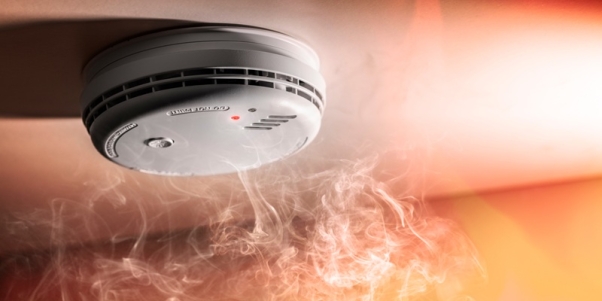
Do Smart Smoke Detectors Lower Insurance?
Often, yes, when they are part of a documented protective device setup, the results are reliable. Many carriers list smoke detection and centrally monitored alarms as discount-eligible. Install alarms inside and outside bedrooms and at every level to meet recommended placement. Follow the US Fire Administration guidance for siting and maintenance so your proof matches best practice.
Best Innovative Security Systems For Home Insurance Discounts
Insurers do not endorse brands, but they do care about features such as central monitoring, entry sensors on doors and key windows, and event logs. To pick hardware, use an independent review that covers professionally monitored and DIY options, then save a PDF of your final system invoice and monitoring contract. That documentation supports your discount request.
How Smart Home Tech Reduces Insurance Premiums
Discounts exist because these devices reduce claim frequency or claim size. Smoke alarms and sprinklers improve early detection, security systems deter or shorten theft events, and leak shutoffs limit water damage hours. NAIC's consumer materials list protective devices among standard savings levers, which is why carriers ask about them on applications.
What To Buy First If You Want Quick Savings?
1.Smoke and CO coverage is available everywhere: start here because the gear is inexpensive and widely recognised by insurers. Follow NFPA and USFA placement rules.
2.Leak sensors plus an auto shutoff on the main line: target kitchens, bathrooms, laundry rooms, water heaters, and the HVAC pan. IBHS research underscores the loss reduction impact of interior water controls.
3.Monitored security starter kit: base station, keypad, door and window sensors, and one camera or doorbell. Use Consumer Reports’ guidance to pick a system that fits your home size and avoids junk fees.
How To Qualify For The Discount In 10 Minutes
- Collect proof: final invoices, device model numbers, photos of installed gear, and any monitoring agreement.
- Email your agent or upload through your portal: request that "protective device" or "smart home" credits be applied and that a rate be effective on the install date.
- Keep a renewal checklist: resubmit proof when you switch carriers and after upgrades, since discounts can drop off during changes.
Rough Savings And Roi
Exact credits vary by state and carrier. The III notes that at least a five per cent discount is standard for basic protective devices, with larger savings for advanced or professionally monitored fire and security systems. That means low-cost detectors can pay for themselves quickly, while monitored systems may take longer but also reduce risk and hassle.
Privacy And Data Sharing
Some programs ask to share device status or alerts to verify the discount. If you are not comfortable sharing continuous data, ask for a standard protective device credit based on proof of installation instead of program participation. Read the program terms before you connect devices to an insurer app.
Common Pitfalls That Block Credits
Have invoices or photos that show where each device is installed and its model number; follow placement rules (one basement detector isn’t enough); confirm if your policy requires professional monitoring to earn the higher credit; and keep batteries fresh and devices online—carriers can yank discounts at renewal if gear looks dead.
Quick Homeowner Checklist
- Smoke and CO detectors on every level and outside bedrooms, tested monthly
- Leak sensors at every water risk point, plus an automatic main shutoff
- Monitored security with entry sensors and at least one camera or doorbell
- Photos, invoices, and a simple home diagram saved in the cloud
- Remember to recheck discounts and add any new devices

Get Help
Add smoke and CO coverage everywhere, place leak sensors with an auto shutoff, and choose a simple monitored security kit. Send clean proof and set a reminder to reshop at renewal. That is how home automation turns into real IoT insurance benefits and a steady smart home insurance discount.
Sources
[1] Insurance Information Institute, “12 Ways to Lower Your Homeowners Insurance Costs”
[2] National Fire Protection Association, “Smoke Alarms in U.S. Home Fires”
[3] US Fire Administration, "Smoke Alarms"
[4] Insurance Institute for Business & Home Safety, “State of the Risk: Interior Water Damage”